Designing DEXON Wallet for All Levels of Users
Designed the first mobile blockchain wallet for everyday users, 5-star rated on launch and contributed to a $2.25M raise at mainnet.
Role
UX Lead · Product Designer
Scope
Mobile Payment Wallet · B2C
Duration
6 months
Summary
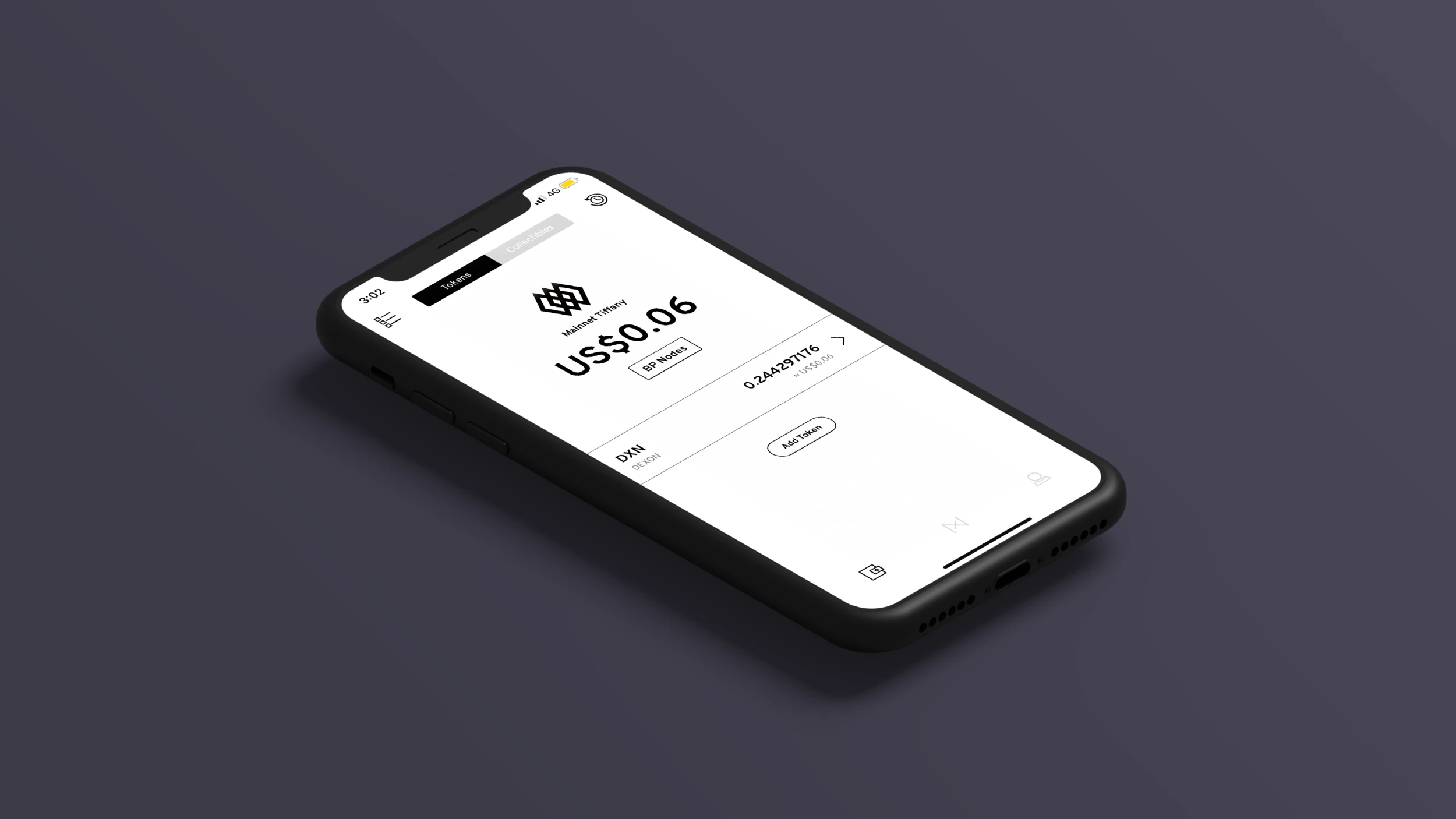
DEXON was a blockchain infrastructure foundation building a peer-to-peer transaction system capable of processing up to 12,000 transactions per second, with finality in under one second, compared to Ethereum's 15 TPS and minutes of latency. The wallet was its flagship consumer product: the entry point for storing DXN, DRC-20, and ETH assets, and accessing DApps directly from mobile.
The problem was straightforward but hard to solve. Blockchain had the infrastructure. What it lacked was simplicity.
The dominant wallets of 2018, MetaMask and MyEtherWallet, were browser extensions built for developers. They required users to manage seed phrases with no recovery path, offered no integrated DApp experience, and ignored the smartphone-first users DEXON needed to reach. For anyone outside the crypto-native world, the barrier to entry was simply too high.
As UX Team Lead and the only product designer on the project, I owned the wallet experience end-to-end, from research direction to launch. The wallet shipped as a 5-star app on day one and helped the company raise $2.25M in 3 days from investors worldwide.
Problems
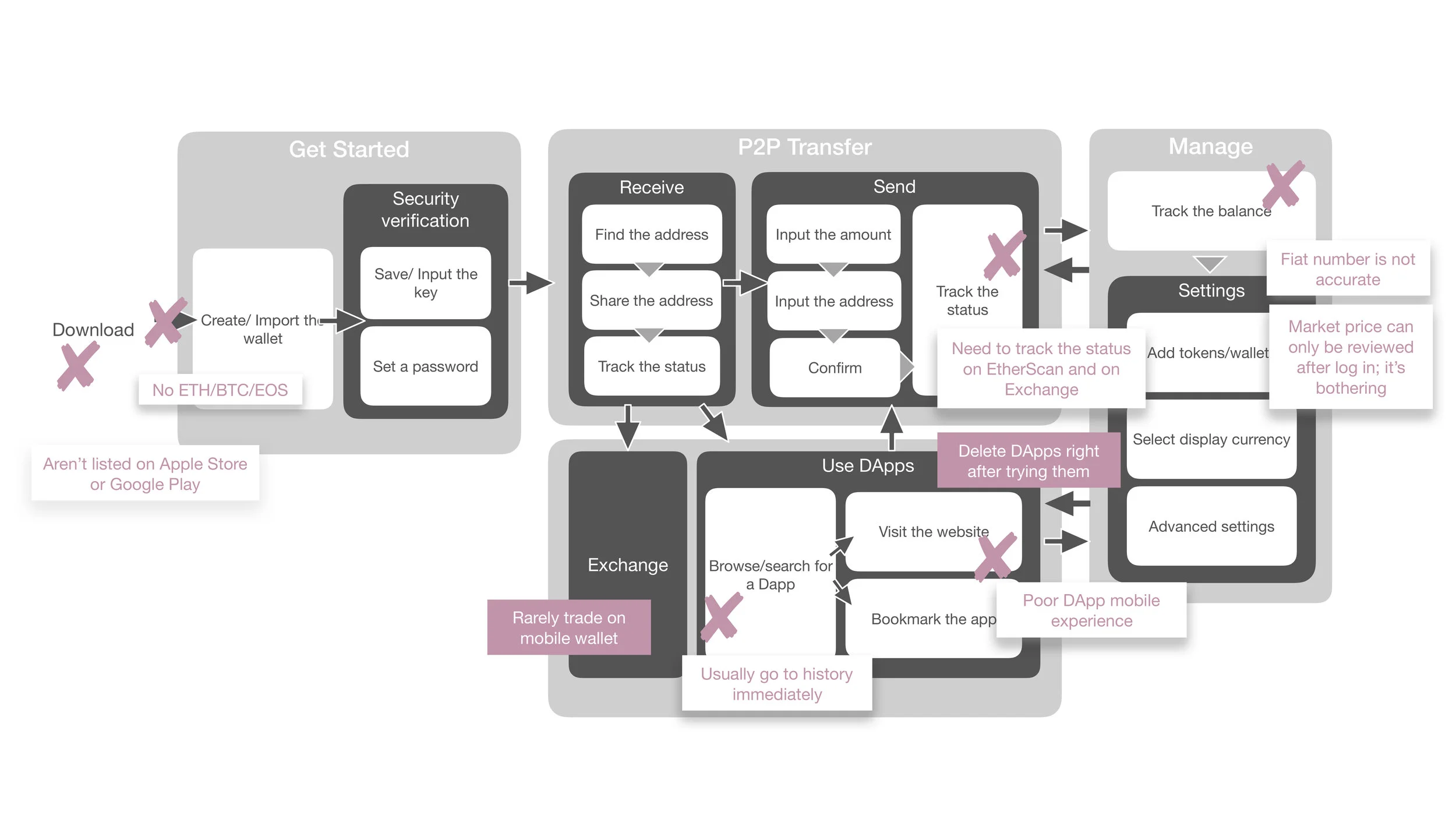
Existing wallets were desktop-first with fragmented onboarding.
In 2018, the most widely used crypto wallets were browser extensions, MetaMask, MyEtherWallet, designed for people who already knew what a seed phrase was. Creating an account meant managing private keys with no recovery path. Sending funds meant tracking transaction status across multiple external tools. The apps that did exist on mobile weren't always listed on major app stores. The cognitive load was prohibitive, and mistakes were permanent.
DEXON needed to reach a much wider audience — not just to grow its user base, but to attract developers who would build on the ecosystem. Without mainstream accessibility, scalability would always be theoretical.
Mainstream users had no reason to trust mobile blockchain products.
Beyond usability, there was a credibility gap. Blockchain apps were widely seen as experimental and unstable. For someone curious about decentralised technology but without a technical background, there was nothing that felt safe enough to store real value in.
Design process
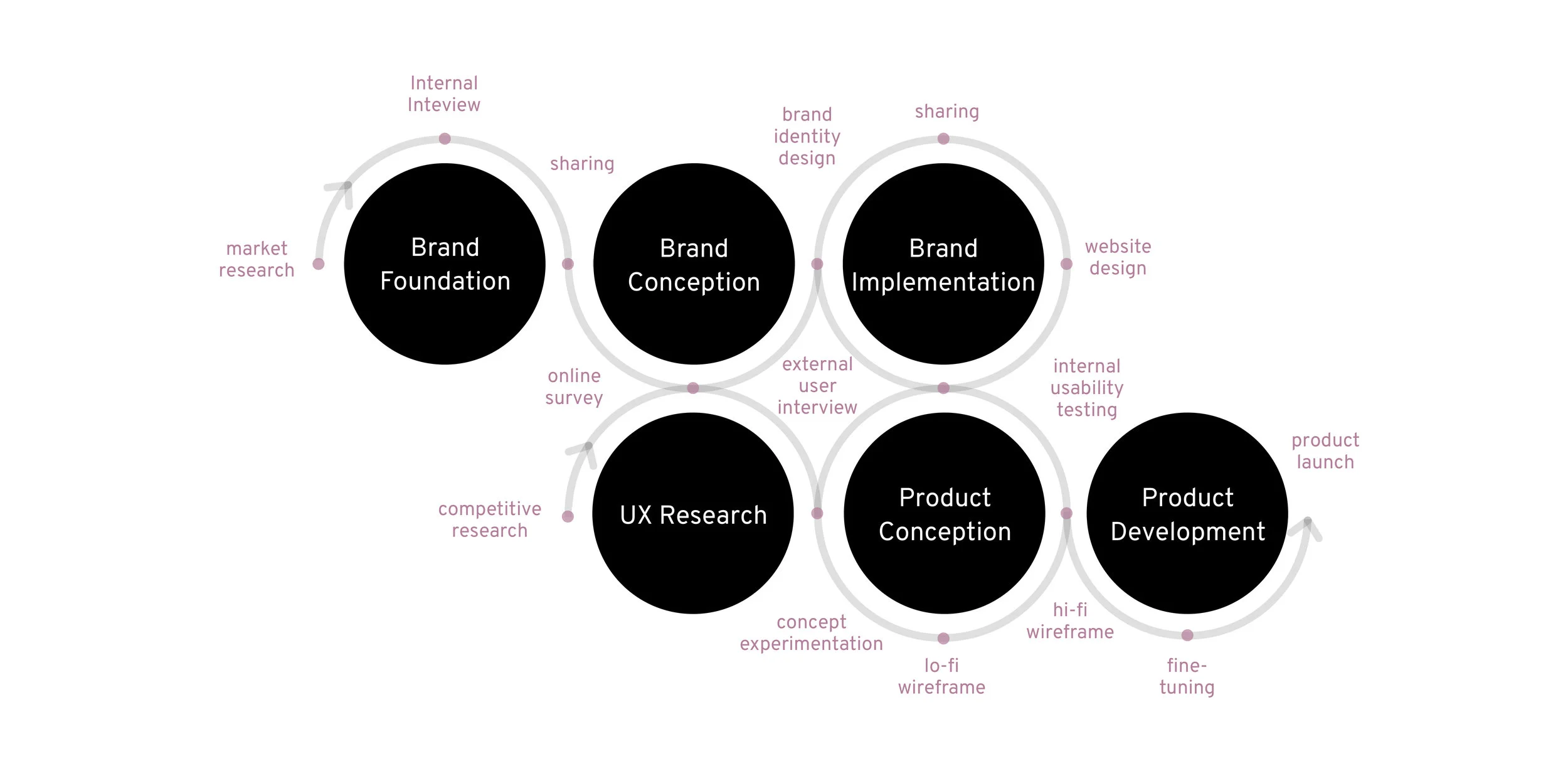
As it was a 0->1 project, the branding and product development have to go on in paralle. I worked with brand manager and marketing manager to develope the brand strategy and visuals and meanwhile I led the product design and worked with UI designer and UX researchers to push through the product development. I defined the design process and review time to ensure the project moving forward and catch the mainnet launch date.
Research
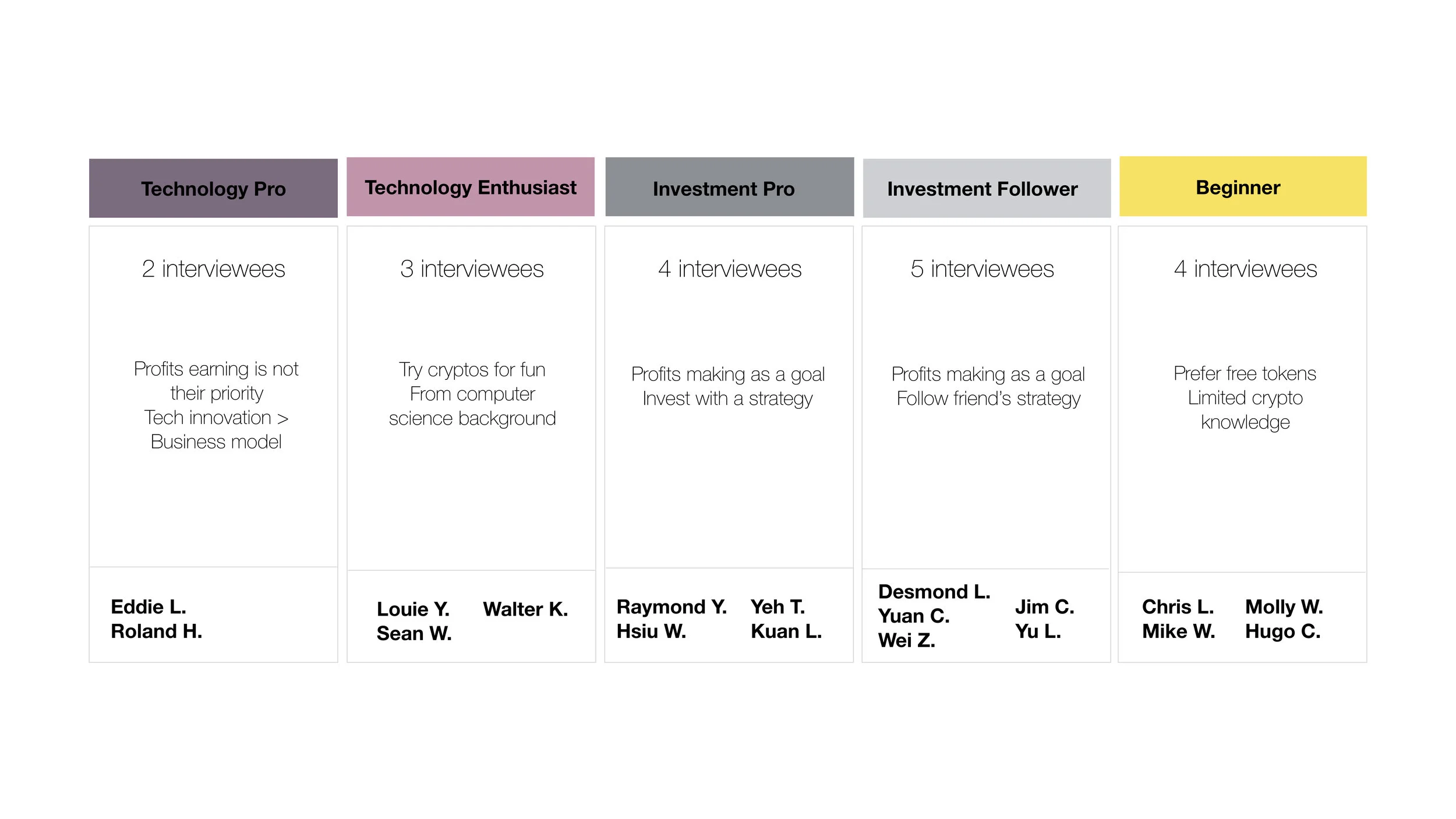
We ran a global online survey with 1,250 respondents in October 2018, then selected 20 people for in-depth offline interviews to understand their real relationship with blockchain, DApps, and mobile payments.
We mapped five user archetypes:
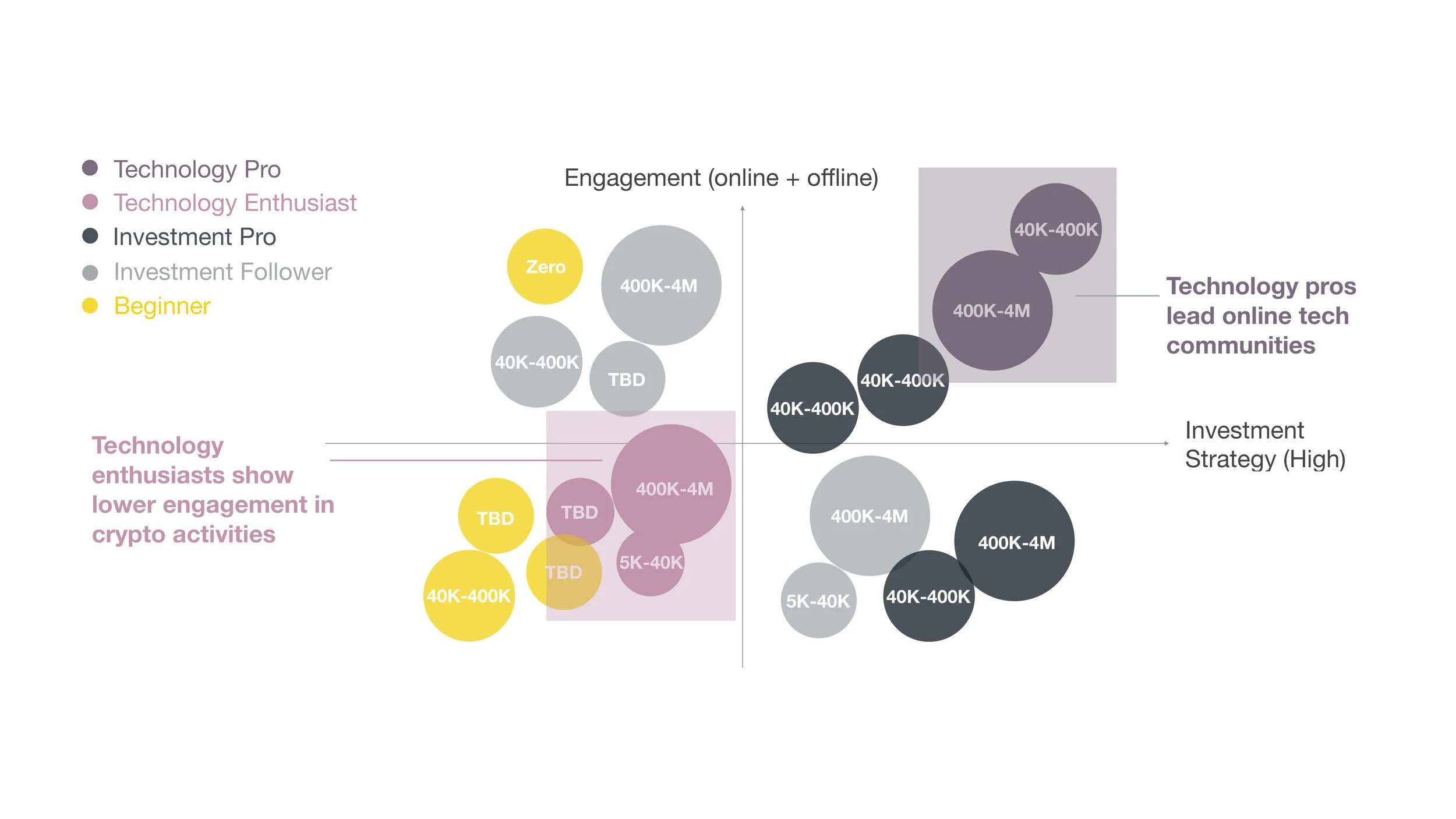
One finding shaped everything that followed: Technology Enthusiasts showed significantly lower engagement in actual crypto activity than Investment Pros, despite being the most curious. Designing only for the most active users would miss the majority of people we needed to reach.
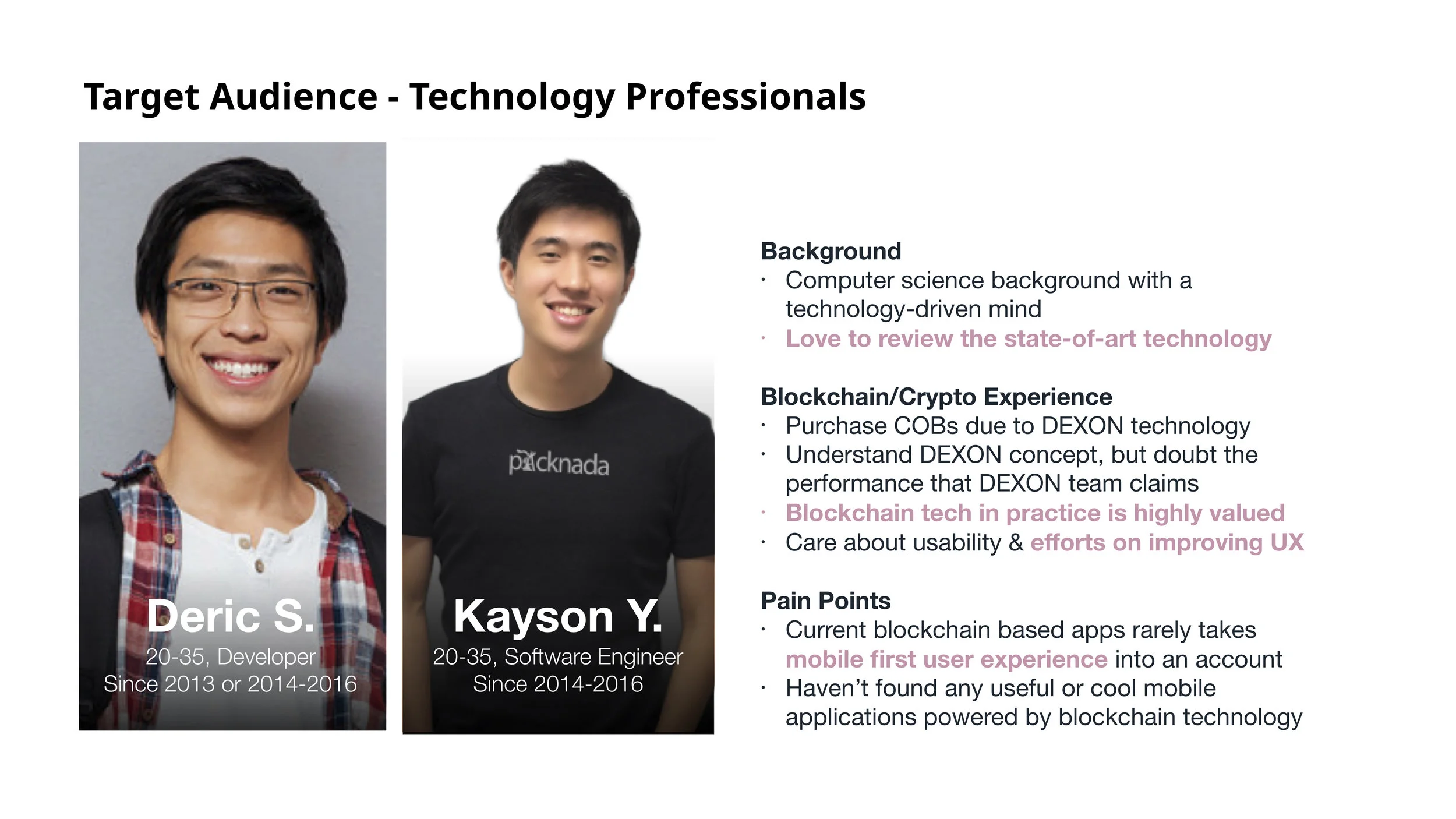
Our primary target for launch became Technology Professionals - key opinion leaders in online tech communities, early blockchain adopters, and the most likely to build on and evangelise the ecosystem. Their frustration was clear: blockchain tech in practice was highly valued, but current apps ignored mobile-first experience entirely.
The longer-term goal was always broader consumer adoption. But the first step was winning the tech community, so they could build the ecosystem that everyone else would eventually join.
Prioritisation
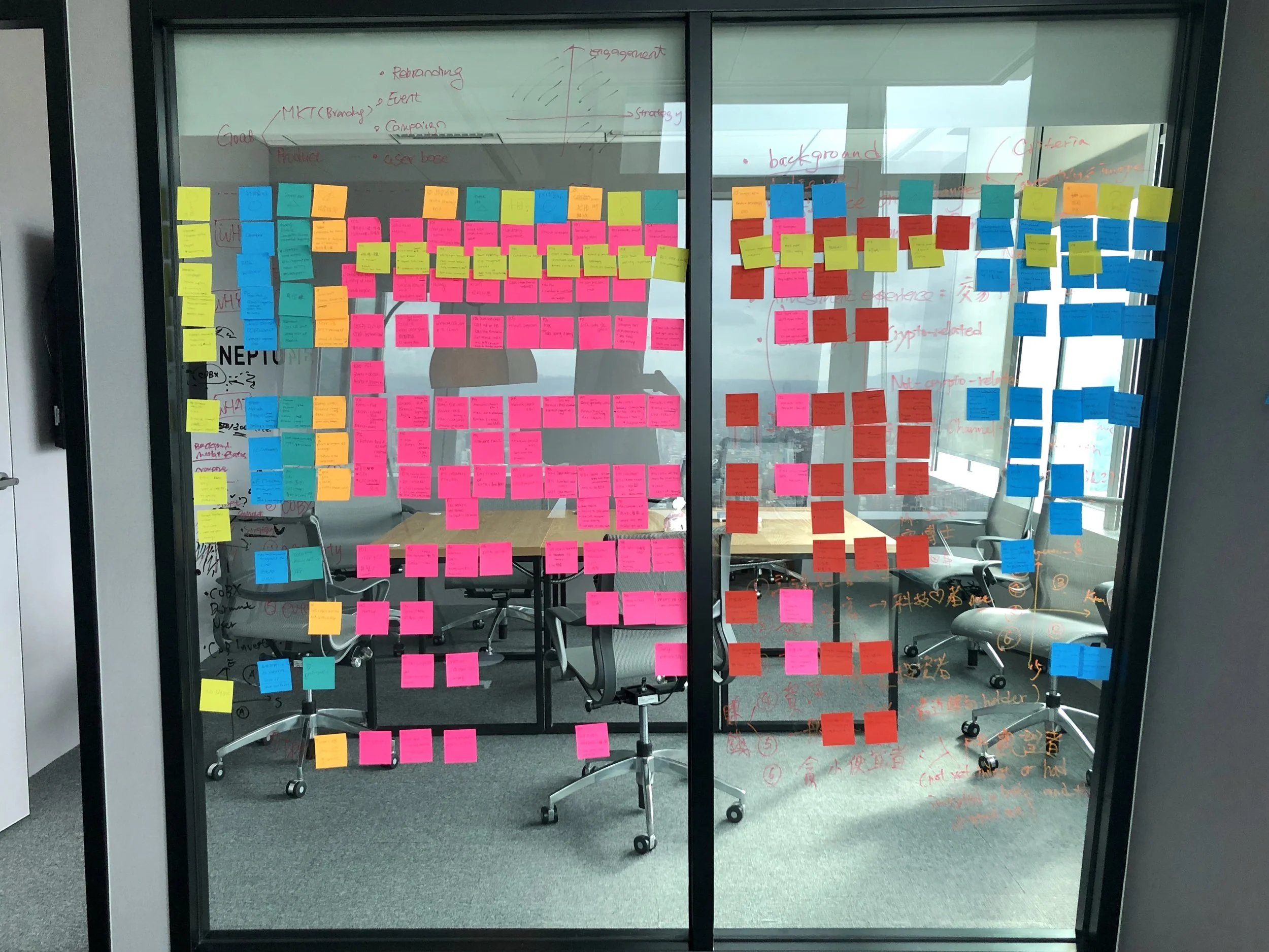
I facilitated internal workshops with the marketing director, CPO, and product managers to align the whole company on these findings before we designed a single screen. Research wasn't just for the design team - it became the shared foundation for every product decision that followed.
With a fixed mainnet launch date and 6 months on the clock, I worked with the CPO to define what had to be right at launch: get set up in under a minute, send and receive without confusion, and make the ecosystem feel alive and worth exploring from day one.
Everything else such as advanced token management, market pricing, exchange features, was intentionally deferred. A wallet people trusted and could actually use was worth more at launch than a feature-complete product nobody understood.
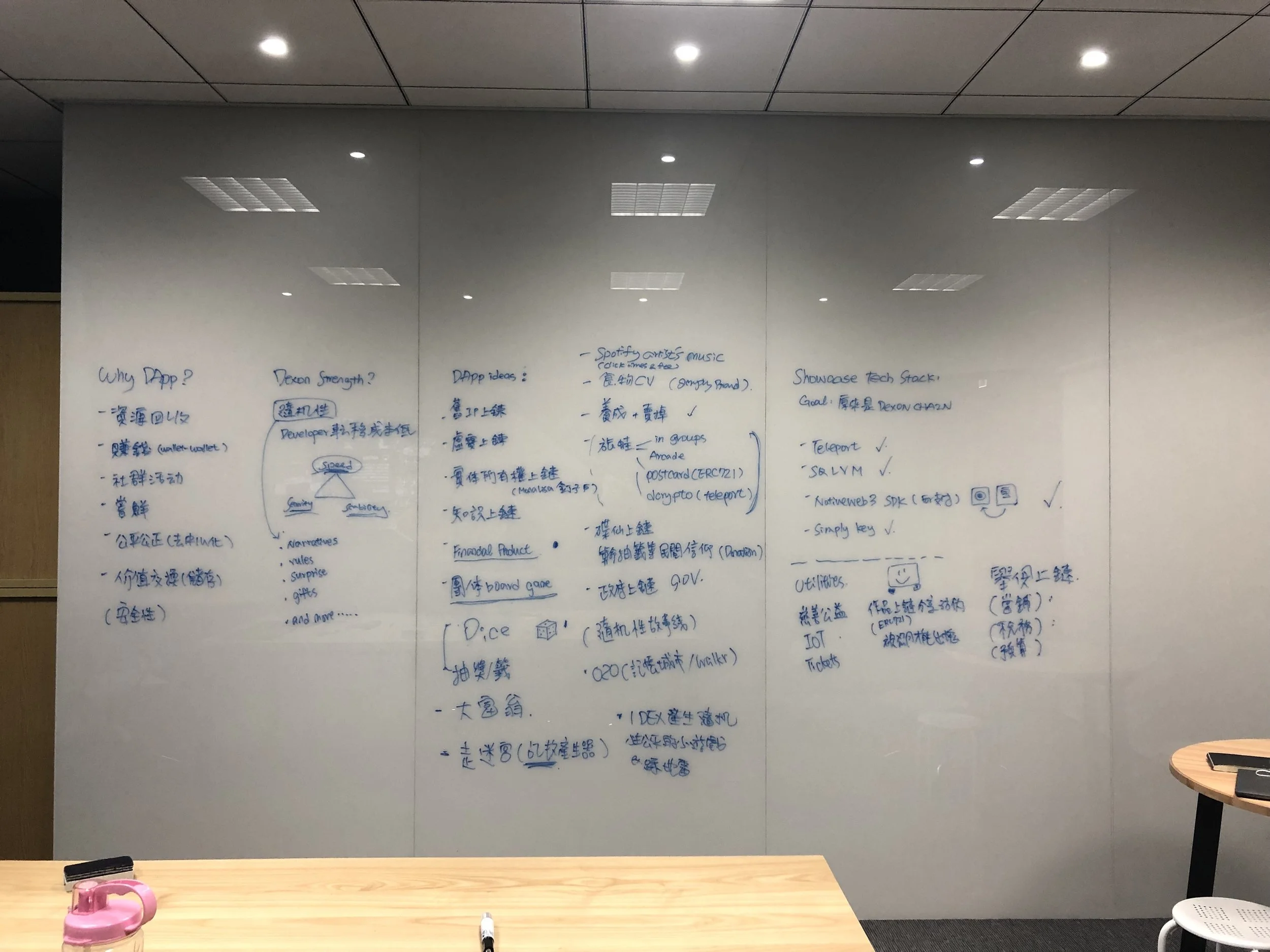
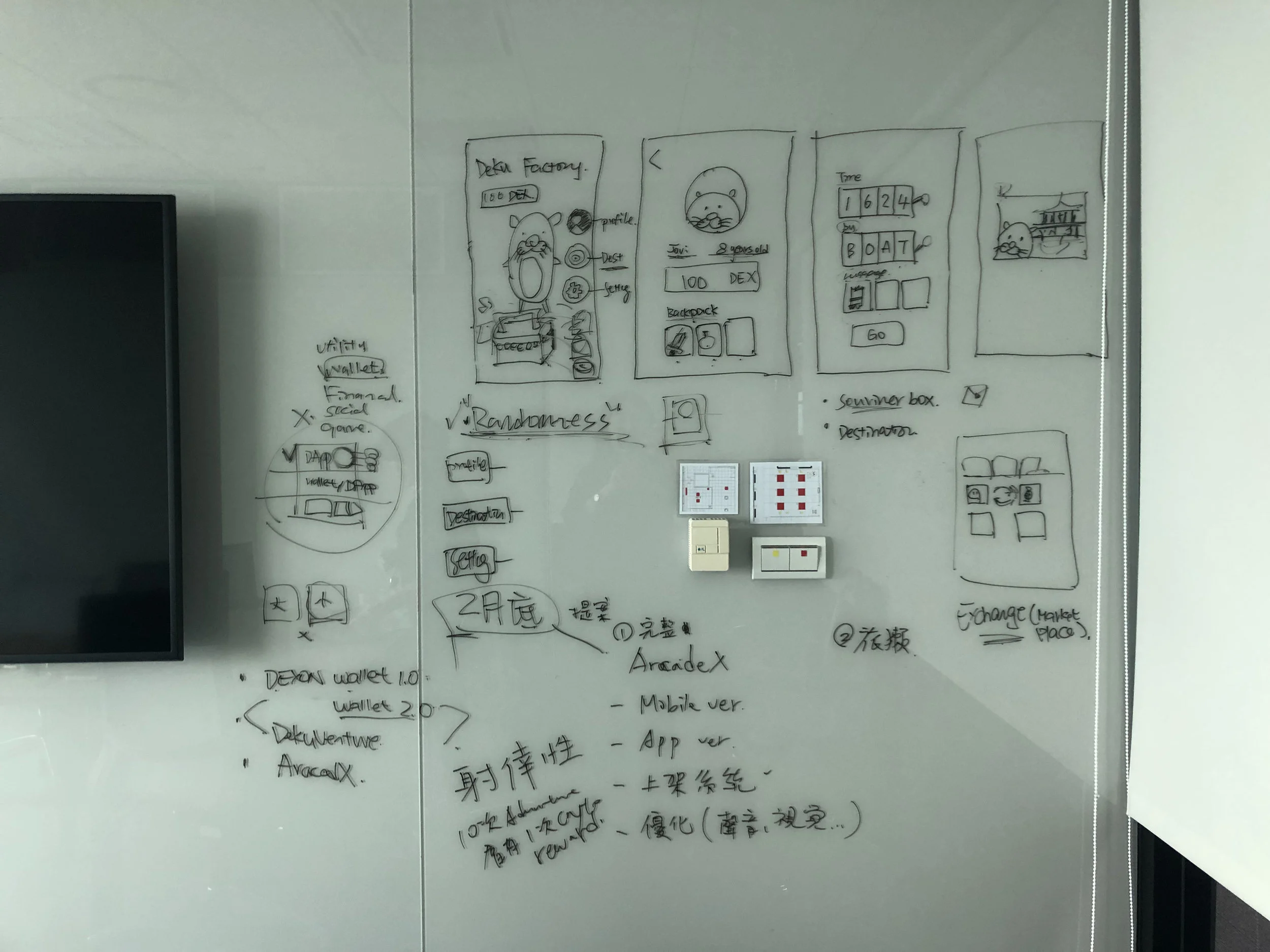
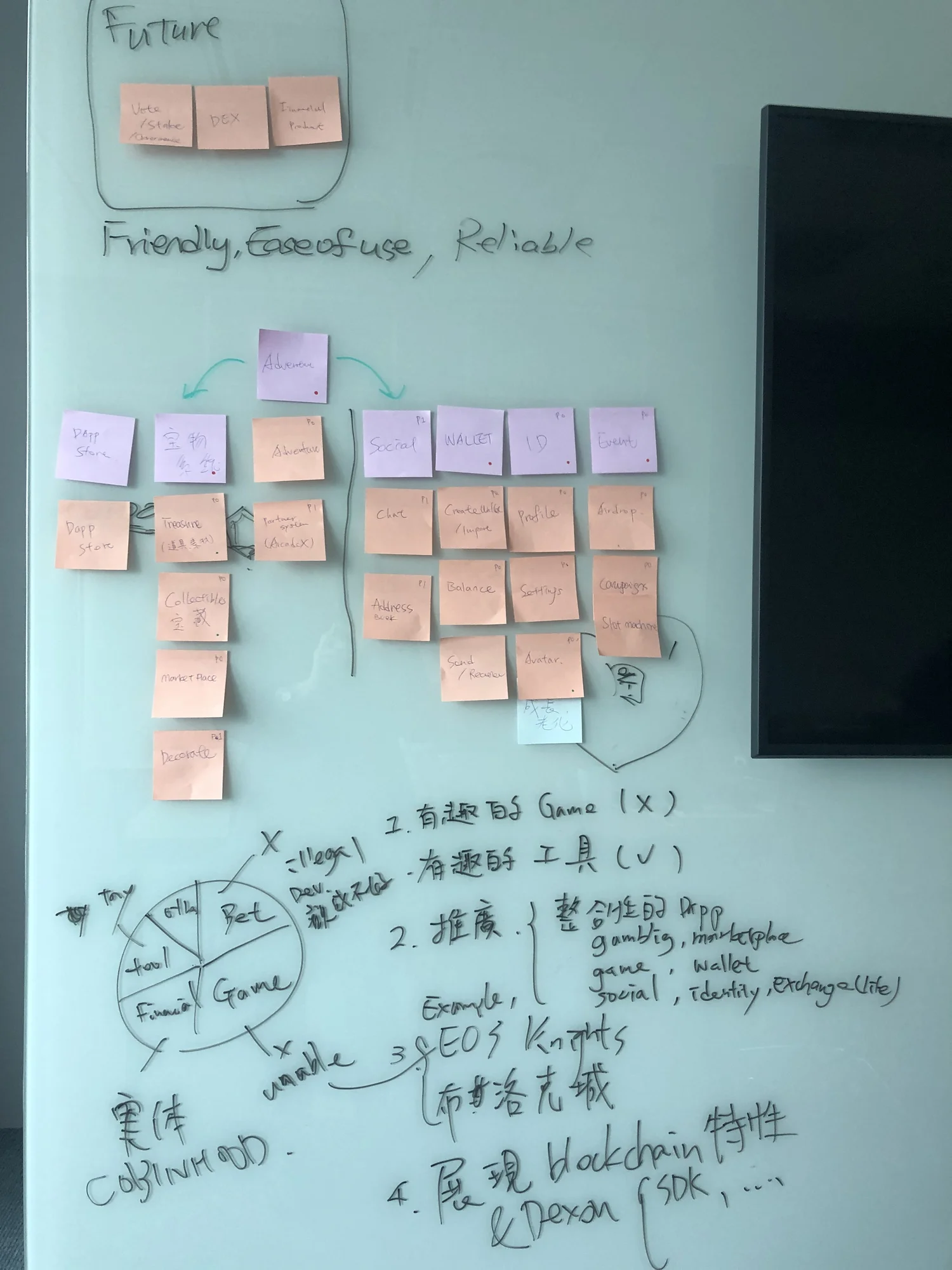
We converged on a clear direction: rather than a pure currency wallet, we'd build a DApp-first product with gaming and social elements - something users at any level could explore, not just hold tokens in.
Ideation
As it was a 0->1 project, the branding and product development have to go on in paralle. I worked with brand manager and marketing manager to develope the brand strategy and visuals and meanwhile I led the product design and worked with UI designer and UX researchers to push through the product development. I defined the design process and review time to ensure the project moving forward and catch the mainnet launch date.
Onboarding in under 60 seconds
I redesigned account creation from scratch, assuming zero prior crypto experience. The previous mental model, download, manage private keys, find DApps across separate surfaces, was replaced with a single guided flow that got users to their first transaction in under a minute. Plain language throughout. A recovery path for every error state. Tested across all five archetypes before it was considered done.
A single interaction model for send, receive, and track
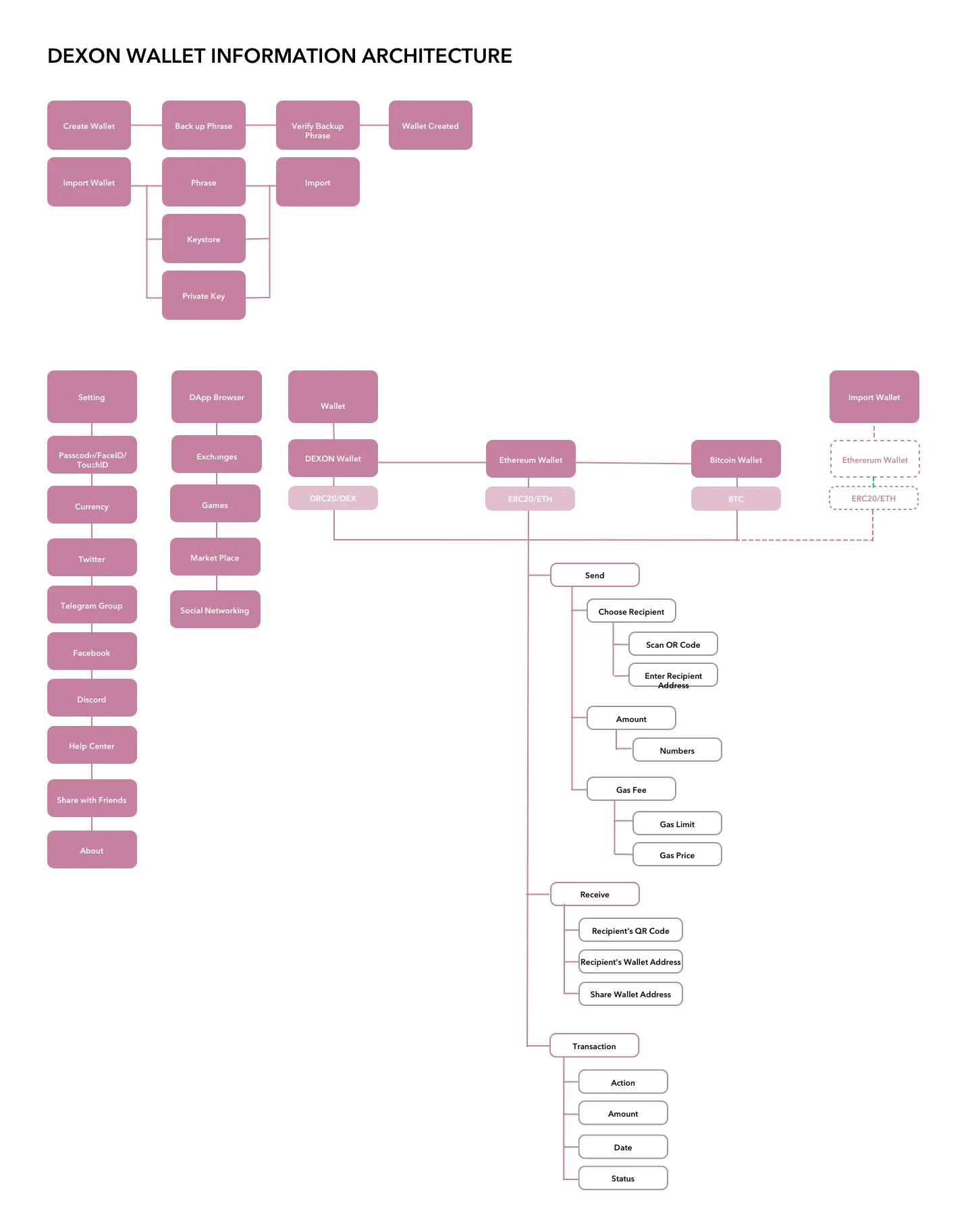
The most consistent pain point in existing wallets was the gap between initiating a transaction and understanding what happened to it. I designed a unified flow with inline status tracking — removing the need to cross-reference external block explorers entirely. It worked across all token types — DXN, DRC-20, and ETH/ERC-20 — so users learned it once and it applied everywhere.
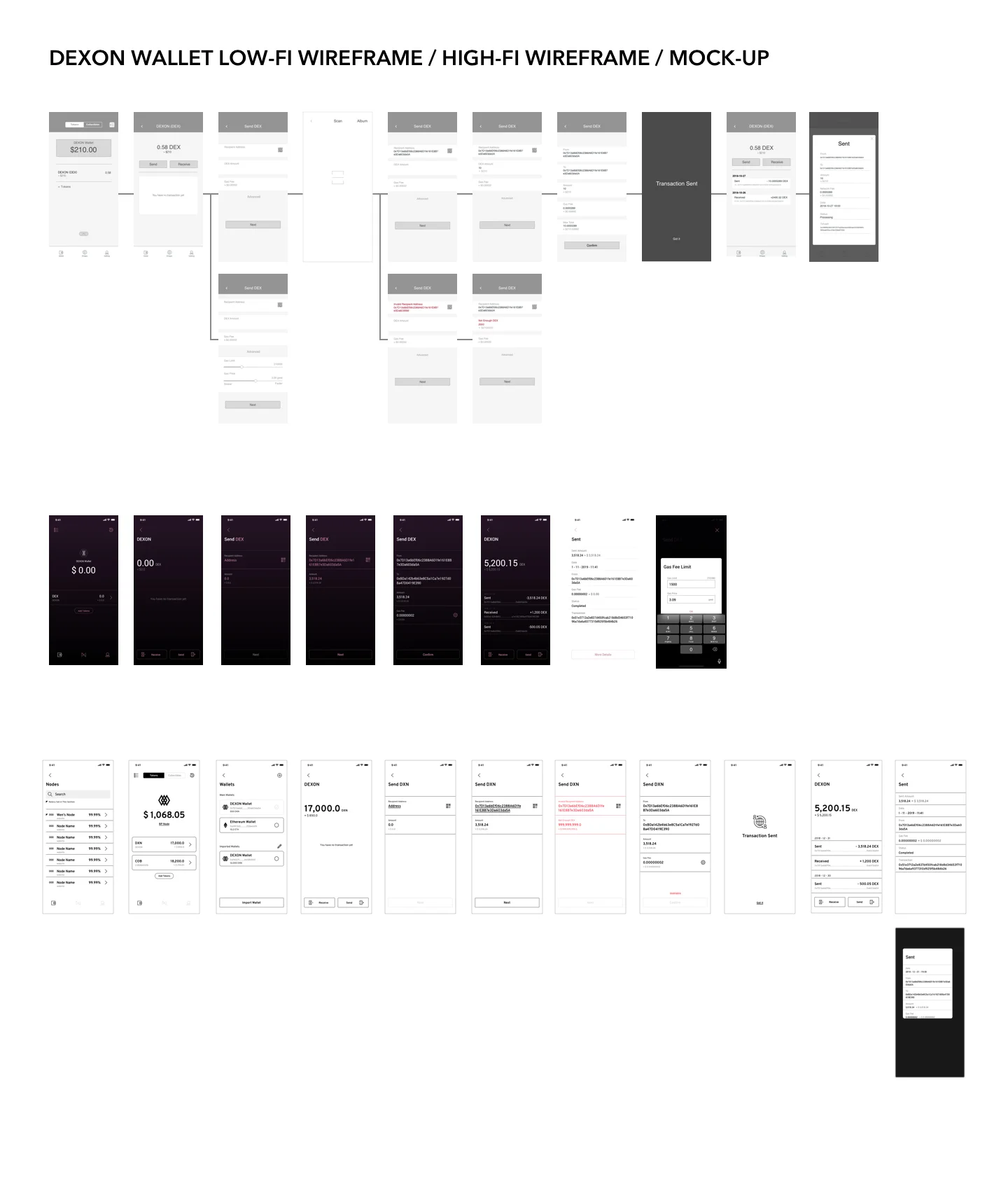
I used Send Your Cryptocurrency as the primary example to drive wireframe evolution across all three fidelity stages, lo-fi for concept validation, mid-fi for flow testing, hi-fi for developer handoff, because it touched every core system: account state, address input, amount confirmation, and status tracking.
DApp Store as the gateway
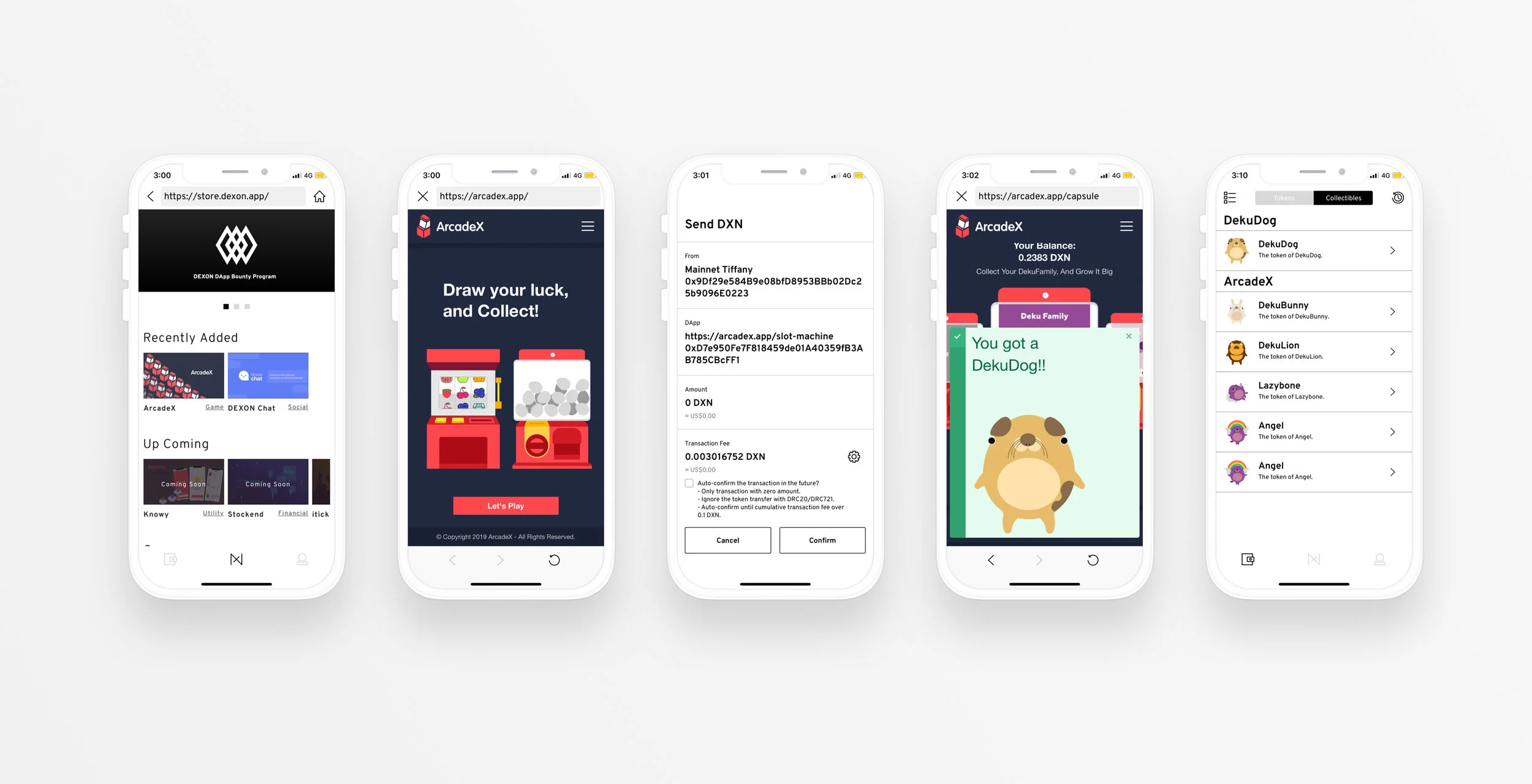
Research showed Technology Professionals wanted to build and explore, not just hold tokens. I positioned the DApp Store as a first-class destination inside the wallet — not buried in settings. This made DEXON Wallet a platform, not just a payment tool, and gave technical users a reason to stay and bring others in.
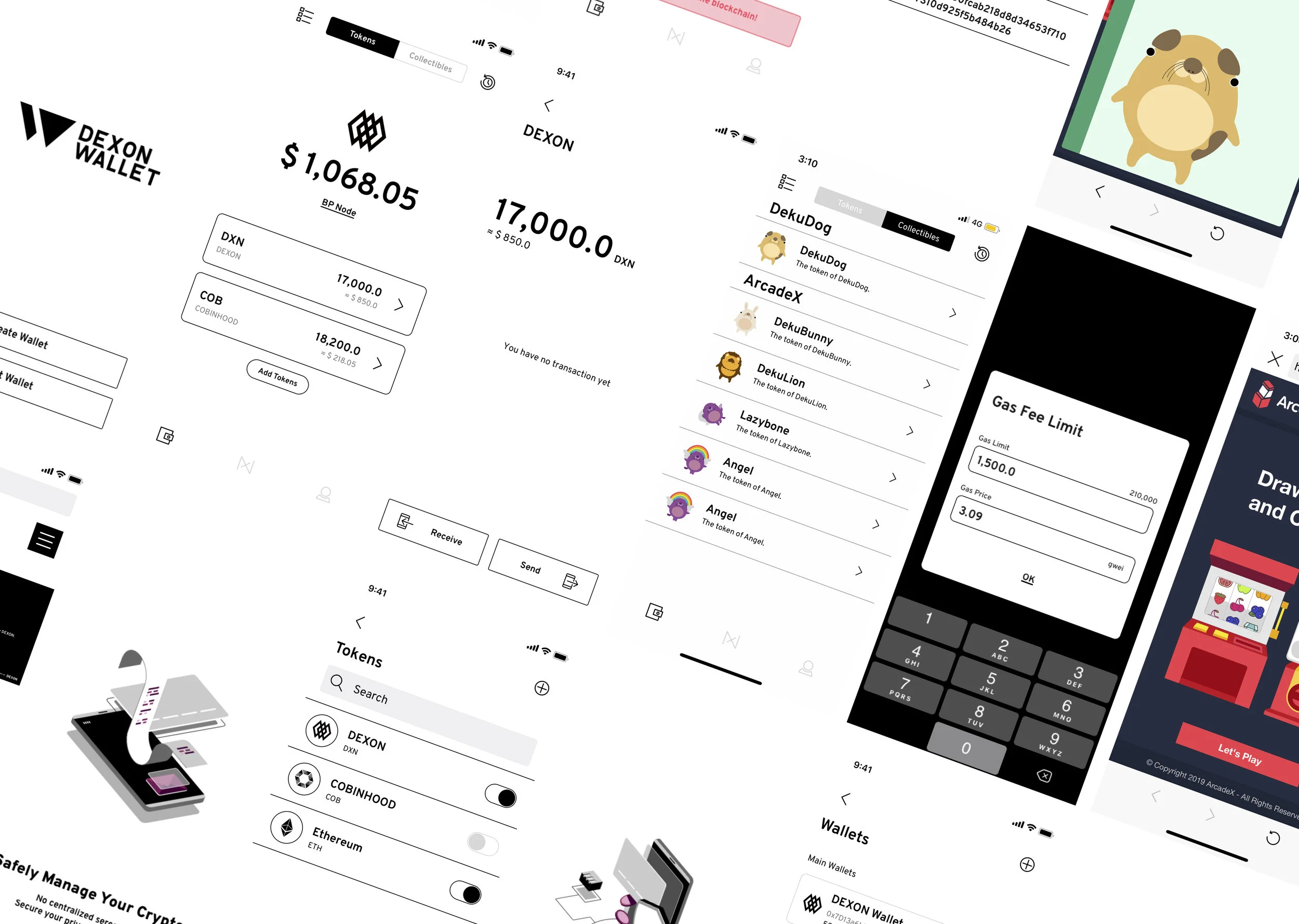
The wallet launched alongside the full DEXON product suite:
DEXON Wallet — mobile payment wallet on iOS and Android (my primary design focus)
DEXON DApp Store — curated marketplace for verified DApps on the DEXON mainnet
DEXONSCAN — live blocklattice explorer
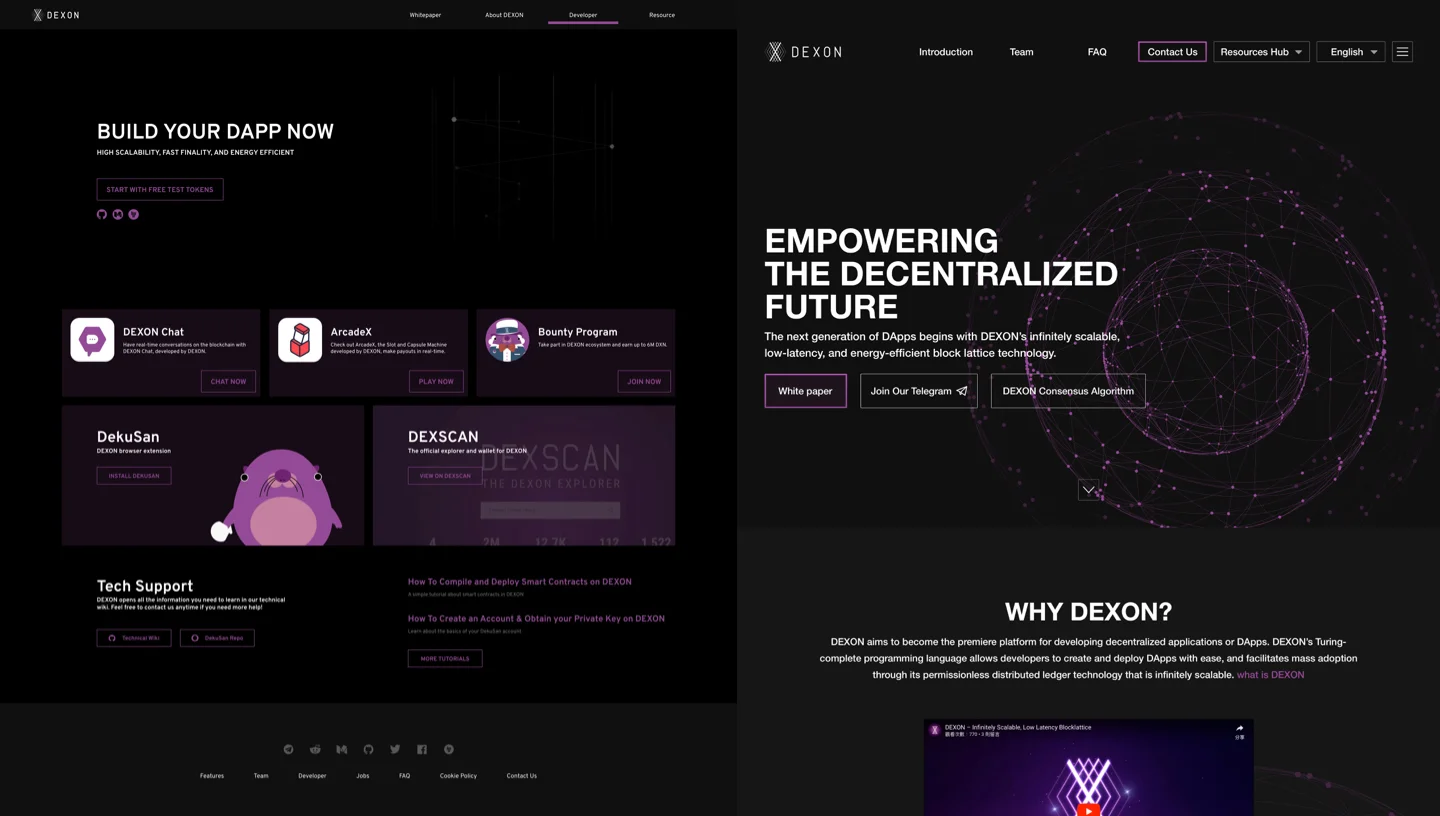
ArcadeX, DEXON Chat, DekuSan — first DApps surfaced inside the wallet at launch
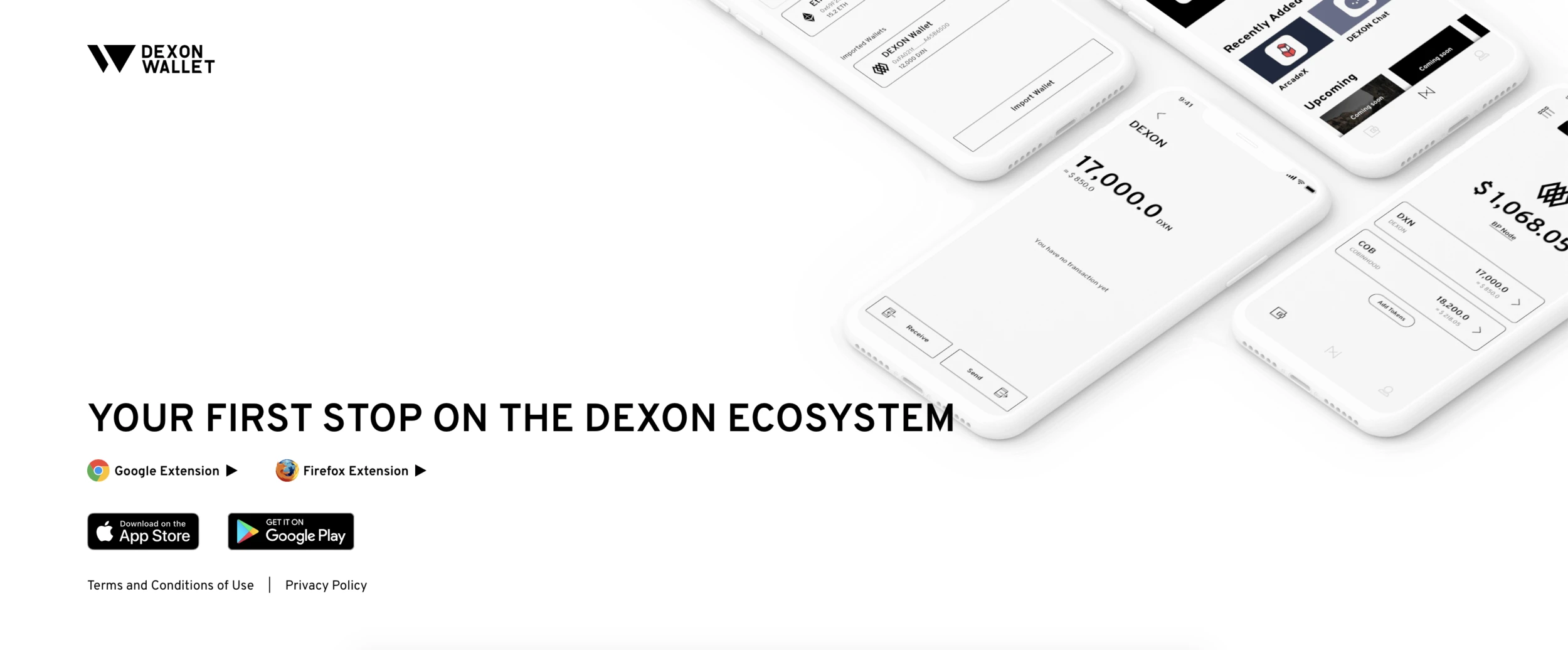
The wallet was the first decentralised wallet built for users at all levels on mobile — positioned as "Your First Stop on the DEXON Ecosystem."
Outcome
DEXON Wallet launched as a 5-star application on both the App Store and Google Play, with over 500 downloads on day one.
The product directly supported DEXON's investor story. The company raised $2.25M in 3 days from investors worldwide. The wallet and product suite were widely supported by the user community from launch.
The project also established DEXON's first formal product design process — something the company, built primarily by engineers, had not had before I joined.
Other projects

Designing Content Moderation & Appeals at Scale
Cut moderation handling time by 50% and built a 0→1 appeals service that enabled scalable, DSA-compliant growth.